
Our Latest News


At-Home Microneedling: The 2026 Beauty Trend With A Cautionary Twist
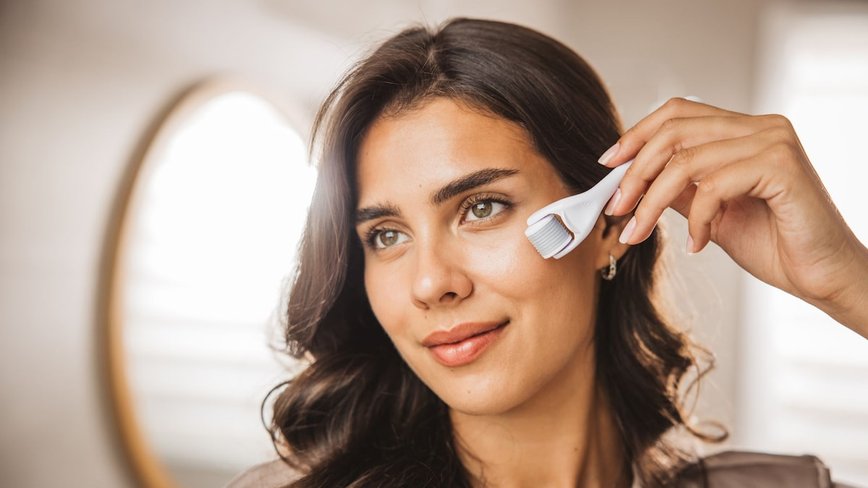
DIY Beauty Goes Hollywood: At-Home Microneedling Steals the Spotlight
Imagine this: at-home microneedling as the latest headliner in the DIY beauty scene, rubbing shoulders with the likes of red light masks and personal skincare devices that used to be exclusive to the pros. This emerging trend is powered by two major forces – savvy consumers and tighter budgets, a perfect storm that’s shifting skincare routines from the clinic to the comfort of your own space.
Industry guru Giovanna McCarthy, founder of PDO Max and LoomEnvy Skincare, explains, “The consumer has become really savvy… they’re educated, they’re very educated on products.” With a nod to economic realities, she adds that while regular in-office visits might be off the table for some, maintaining beauty between those visits with at-home devices is more feasible.
“The consumer has become really savvy… they’re educated, they’re very educated on products.” – Giovanna McCarthy
But let’s not get too carried away. McCarthy also warns against the risks of trying to DIY medical procedures: “I’ve been seeing people do their own threads. I mean, that’s insane to me… if you’re not medical, you shouldn’t be doing anything that could create an infection.”
The New Standard in Microneedling: Gentle, Shallow, and Safe
So, what does safe at-home microneedling look like? Experts are advocating for a more mellow approach – think of it as "less trauma, more transformation." It's all about nurturing the skin rather than attacking it, which means staying in the epidermal layer and avoiding anything that feels uncomfortable or extreme.
Licenced esthetician Jaclyn Luongo emphasizes a nurturing approach: “It’s not taking from the skin, it’s really nourishing the skin.” This translates to using shallow "micro-channeling" techniques that enhance the absorption of beneficial products without veering into territory that could cause irritation or damage.
Safety First: Keep It Epidermal
Remember, if your at-home microneedling routine looks like a scene from a scary movie, you're doing it wrong. McCarthy describes the ideal approach as targeting the "epidermal layer without getting into the dermis," which helps avoid unnecessary drama like bleeding or excessive redness.
Experts Weigh In: Not All Are On Board
While at-home microneedling is garnering attention, not all experts are singing its praises. Dr. Maria Hurtado, an aesthetic physician, stresses that microneedling should remain in the hands of professionals, citing potential risks when performed without proper training and sterile conditions.
"In my experience, microneedling is one of the most effective procedures for improving skin quality," Dr. Hurtado says, "but it’s important to clarify that this is a delicate procedure." She highlights the need for biosecurity protocols and trained professionals to ensure safety and effectiveness.
This divergence in opinions underscores the importance of making informed choices. While the allure of DIY beauty is strong, it’s crucial to weigh the benefits against potential risks and to consider professional guidance for certain procedures.

Author: Lexie