
Our Latest News


Behind The Curtain: Jeffrey Epstein'S Judicial Saga Unfolds
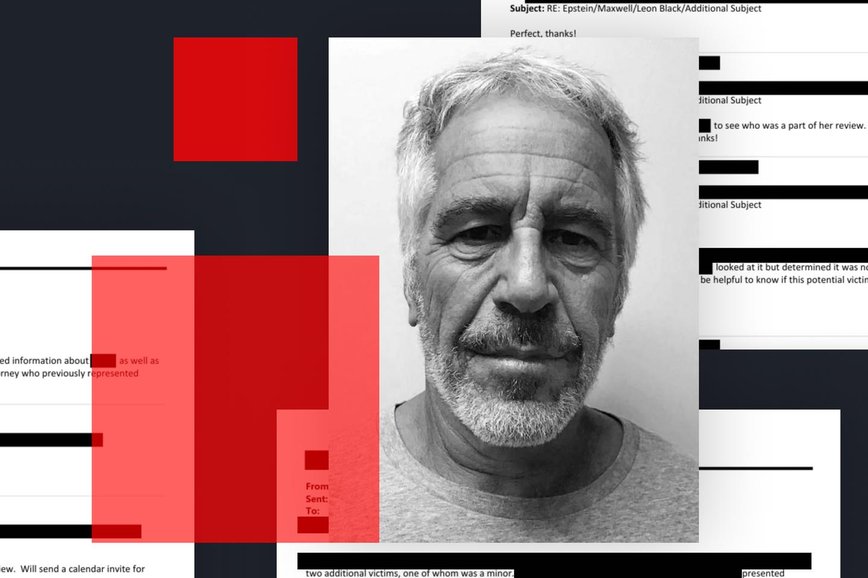
The Long Road to Justice
Unraveling like a Hollywood thriller, the saga of Jeffrey Epstein's legal troubles stretches back more than thirty years. It all began in 1996 with the first complaints against the wealthy financier. Fast forward to his initial conviction in 2008, and a baffling gap followed until his arrest in 2019. Despite the mounting allegations, Epstein seemed to float above the justice system, raising eyebrows and questions about judicial negligence.
Enter the dramatic scene at the House of Representatives hearing on February 11, when U.S. Attorney General Pam Bondi faced a wall of accusations from Epstein's victims. With a notable lack of acknowledgment, Bondi turned her back to the six victims as they stood before her, prompted by Democrat Pramila Jayapal's request. It was a stark image of justice denied, underlining the victims’ frustration and their long wait for closure.
“Raise your hand if you still have not been able to meet with this Department of Justice,” Jayapal urged the victims. All six stood in silent agreement, a powerful testament to their ongoing fight.
A Decade of Deflection
Pam Bondi's silence was telling as the room filled with tension. She deflected criticism by pointing fingers at her predecessor, Merrick Garland, who served during Joe Biden's presidency. Bondi noted that Garland himself had not been questioned about Epstein's case, a move that many saw as an attempt to shift focus away from her tenure.
Republican Thomas Massie of Kentucky, an ardent advocate for Epstein's victims, wasn't having it. He framed the issue as one of historical proportions, "This is bigger than Watergate," he asserted. Massie argued that the cover-up spanned across four administrations, implicating leaders from George Bush's era through to Obama's, and insisted that Bondi take responsibility for her part in the saga.
A Tale of Two Justice Systems
The Epstein case has become a glaring symbol of a two-tier justice system in the United States. It highlights how wealth and power can carve out a privileged path, leaving victims to grapple with a system that should protect them. During his confirmation hearing in February 2021, Garland reflected on the oversight, stating, "This is just horrendous. He obviously should have been prosecuted substantially earlier," but he admitted to not knowing why justice lagged.
As the nation grapples with these revelations, the Epstein case serves as a reminder of the need for accountability and reform within the judicial system. The victims' pursuit of justice continues, shining a light on the importance of facing past errors to pave a way forward.
Categories:

Author: Lexie