
Our Latest News


Billie Eilish Catches Heat From Tongva Tribe Over Ancestral Land Claims
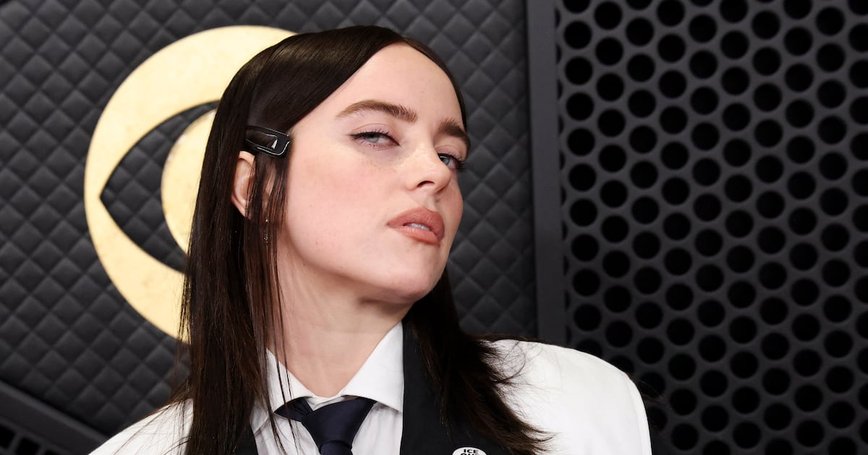
Billie Eilish’s Grammy Moment Takes an Unexpected Turn
Billie Eilish, the teen sensation known for redefining pop music, found herself at the center of a hot-button issue following her Grammy win. While striding down the red carpet at this year's 68th Annual Grammy Awards in the heart of Los Angeles, Eilish made a bold statement during her acceptance speech that has stirred a conversation about indigenous lands.
In her Grammy acceptance speech, delivered from the Crypto.com Arena, Eilish called out the U.S. Immigration and Customs Enforcement (ICE), emphasizing that, "No one can be an illegal immigrant on this stolen land of Native Americans." Her words were meant to shine a spotlight on the plight of immigrants, but it instead brought attention to her own LA mansion, valued at $3 million, which a report confirmed sits on the ancestral land of the Tongva tribe.
The Tongva Tribe Speaks Out
The Tongva, recognized as the original inhabitants of the Los Angeles basin, responded with a clear message. According to reports, the Tongva tribe acknowledged that Eilish's property is indeed on their ancestral land. They expressed a desire for celebrities who reference "stolen land" in their public discourses to identify the specific tribes involved, which helps inform the public about the historical context of their territories.
"Eilish has not directly contacted the tribe regarding the property," a Tongva spokesperson told the Daily Mail. "We value the way celebrities help inform the historical context of the United States," they added, "and in future discussions, we hope the tribe is explicitly mentioned so the public understands that the LA basin is Tongva territory."
Political Reactions and Public Discourse
The star's comments didn’t just spark reactions from the Tongva tribe. Florida Governor Ron DeSantis and Senator Mike Lee of Utah chimed in on social media, suggesting that if Eilish truly believed her words, she might consider relinquishing her mansion. These remarks, shared on X (formerly Twitter), have fueled further debate online, blending celebrity discourse with political critique.
In the vibrant landscape of Los Angeles, where history and modernity meet, the conversation about land and belonging continues to evolve, weaving together voices from both the entertainment industry and indigenous communities.
Categories:

Author: Jasmine