
Our Latest News


Inside The Onlyfans Assembly Line: How Filipino Workers Drive The Platform’S Success
The Unexpected Career Path
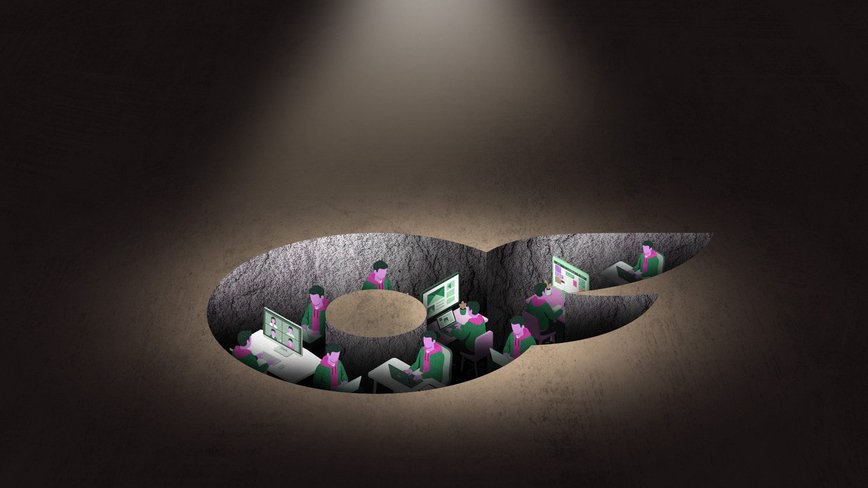
In the sizzling summer of 2023, Anna*, a college student in the Philippines, was on the hunt for an online gig to fund her education. Little did she know, she'd soon be diving headfirst into the world of adult content. It all started with a seemingly standard virtual assistant job, but a twist of fate had her photoshopping nudes and editing one-minute porn reels for OnlyFans models.
Initially, Anna was tasked with editing graphics and photos – a routine part of her agency's marketing services. Then came the pivot. Her boss offered her an opportunity to earn significantly more by delving into the adults-only platform, OnlyFans. And like many cash-strapped students, Anna saw the chance and went for it. "As long as it’s good pay, why not, right?" she recalls.
“As long as it’s good pay, why not, right?” Anna told her boss.
Her role evolved from merely beautifying images to editing explicit content, eventually handling up to nine different models at once. This unconventional path allowed her to rake in a monthly income of P45,000 to P50,000 – tax-free, aside from some international transfer fees.
The Role of "Chatters"
Kara, a 26-year-old IT graduate, found her niche in this industry as a "chatter." Her task was to impersonate models, keeping subscribers engaged enough to purchase steamy content. Kara stumbled onto the job through an online listing, intrigued by the ambiguous description that required no experience.
Despite the initially attractive hourly rate and commission, the reality was tougher than she anticipated. The job involved maintaining flirty conversations with subscribers, following templated messages, and selling content priced as high as $750. Eventually, the pressure proved too much, and Kara left in search of something more suited to her skills.
Unveiling the Industry
These roles are part of a broader, well-oiled machine where Filipino labor plays a critical role. A Reuters investigation revealed that during the pandemic, agencies managing OnlyFans creators mushroomed, capitalizing on the demand for remote and adult content. These agencies offer a range of services, promising to boost models' earnings while employing Filipinos to keep costs down.
The allure of such jobs persists, with platforms like Facebook and Reddit buzzing with discussions and job postings related to OnlyFans. In a country where the job market struggles to absorb a growing workforce, the prospect of a lucrative income tempts many.
As this industry emerges from the shadows, questions linger about worker protection and the hidden costs of participating in this digital economy. The story of Anna and Kara sheds light on the challenges and realities faced by those at the heart of the OnlyFans assembly line. (To be concluded)
Categories:

Author: Lexie