


Justin Baldoni Fires Back At Blake Lively'S Lawsuit Over "It Ends With Us"
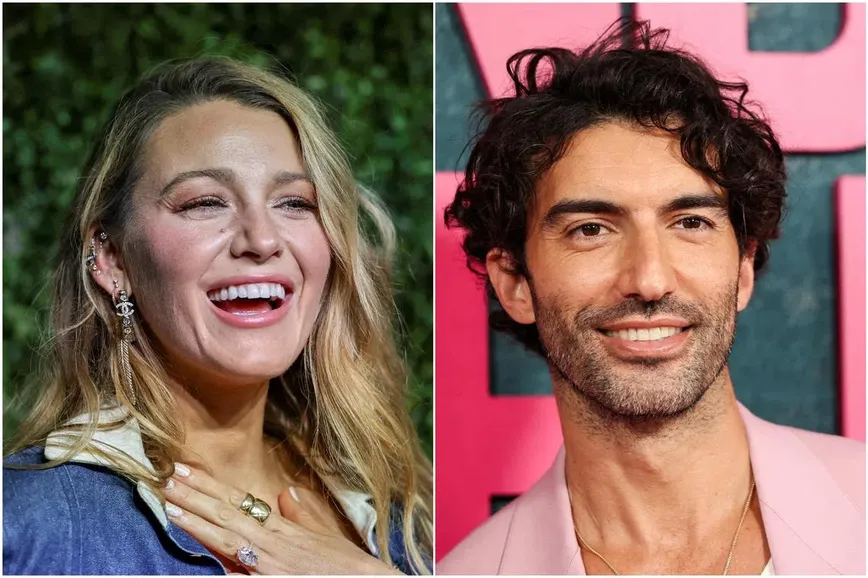
Legal Drama Hits Hollywood: Baldoni vs. Lively
The glitz and glamour of Hollywood are being overshadowed by a legal showdown as actor-director Justin Baldoni faces off against actress Blake Lively. The controversy erupted into the spotlight in December 2024 when Lively lodged a complaint with the California Civil Rights Department, accusing Baldoni of fostering a hostile environment during the filming of "It Ends With Us."
On January 22, Baldoni's legal team made a passionate plea to a federal judge in New York to dismiss Lively's lawsuit, which alleges sexual harassment and retaliation. Baldoni's attorney dismissed the claims as "petty slights," while Lively's camp accused Baldoni and his production company, Wayfarer Studios, of creating a sexually charged atmosphere on set.
“Their burden is to show that it not only entered the workplace, but was used to discriminate against women,” said Jonathan Bach, Baldoni’s lawyer.
A Battle in the Courtroom
As the courtroom drama unfolds, United States District Judge Lewis Liman has yet to decide whether the trial will proceed. The high-profile case has captivated Hollywood, with celebrities like Lively’s husband, Ryan Reynolds, and her friend, Taylor Swift, being drawn into the fray. While Lively seeks unspecified damages for harassment and defamation, Baldoni's team argues that the claims are exaggerated and have been resolved amicably.
The January hearing also highlighted claims from Lively that Baldoni pressured her to simulate nudity during a birth scene, a move she deemed unnecessary and invasive. Released documents include text exchanges between Lively and Swift, where Swift compared the situation to "a horror film no one knows is taking place."
Steamy Scenes and Allegations
Adding more heat to the situation, Lively's lawyer, Esra Hudson, challenged Baldoni's alleged conduct during specific scenes, including a dance sequence where he purportedly overstepped boundaries. Critics of Baldoni argue that his "artistic choices" strayed into inappropriate territory, often at the cost of professionalism.
Judge Liman pressed Hudson on whether Baldoni's actions warranted legal action, questioning the feasibility of juries deciding on each directorial decision. Baldoni’s defense claimed that he addressed Lively’s concerns promptly and had a right to protect his reputation amidst public discourse.
Behind the Curtains: A Hollywood Power Struggle
This courtroom saga isn’t Baldoni’s first brush with litigation. Previous lawsuits involving Lively and The New York Times were dismissed, including a hefty $400 million countersuit by Baldoni. Despite the swirling controversies, "It Ends With Us" raked in over $351 million globally, proving that drama sells – both on and offscreen.
As the case lingers, Hollywood holds its breath for Judge Liman's decision, which could set a precedent for how creative freedom is balanced against personal boundaries in the film industry.
Categories:

Author: Lexie