
Our Latest News


Nithya Raman'S Bold Move: Will La Embrace Her Socialism?
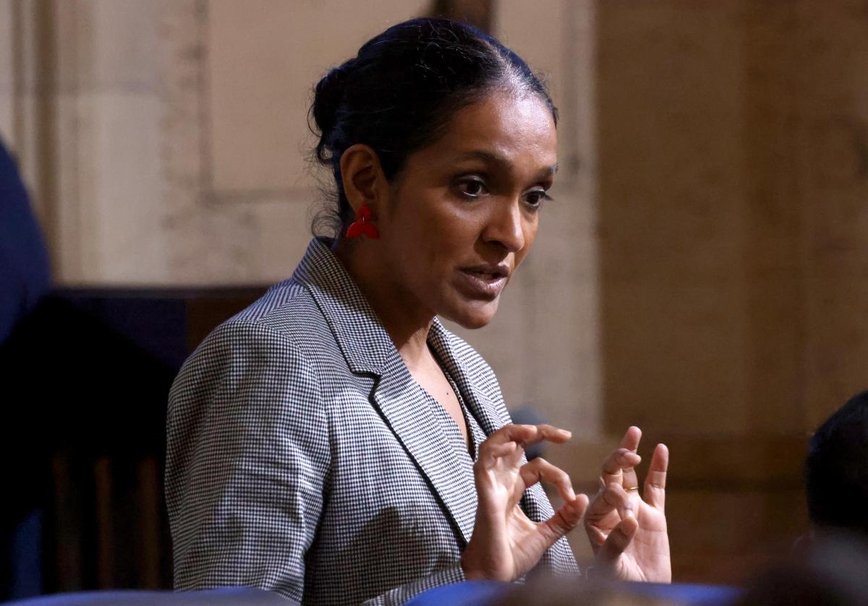
Nithya Raman's Mayoral Bid: A New Wave of Socialism in LA
Nithya Raman is shaking things up in LA with her announcement to join the 2026 mayoral race, bringing Mamdani-style socialism right into California’s political mainstream. As a proud member of the Democratic Socialists of America (DSA) and an LA City Council member, Raman is setting herself up as the progressive voice against current Mayor Karen Bass, particularly on issues like housing and city services.
But as she eyes the mayor's office, Raman faces the risk of transforming LA into yet another experiment in socialist governance run amok, where ideology might overshadow practical solutions. Her political journey from urban planner and activist to winning a council seat in 2020 shows a dedication to ideological purity that prioritizes socialist beliefs over pragmatic solutions.
“Raman's policies could alienate allies and worsen crises like homelessness and crime," says Richie Greenberg, a political commentator based in San Francisco.
The Ideological Tug-of-War within LA Politics
Raman’s strong ties to the DSA have sparked controversy, especially with her proposals like abolishing prisons, defunding the police, and boycotting Israel. Her opposition to a 2023 LAPD contract, which aimed to boost officer pay while increasing accountability, was criticized as anti-police extremism. In her district, where crime rates were rising, this stance added fuel to the fire.
Raman is often seen blaming capitalism rather than addressing immediate safety concerns, an approach that has drawn criticism from various quarters. Her perspective on issues like catalytic converter thefts, which she attributed to car manufacturer Toyota instead of thieves, highlights this disconnect.
The Shifting Political Landscape in Los Angeles
While no current LA County mayors are DSA members, the Democratic Party has certainly shifted left over the past years, especially within the LA City Council and the LAUSD. DSA-Los Angeles is gaining ground, forming progressive coalitions with figures like Eunisses Hernandez, Hugo Soto-Martinez, and Ysabel Jurado advocating for tenant and worker rights against traditional business-labor alliances.
Raman’s association with progressive icons like Alexandria Ocasio-Cortez and Bernie Sanders solidifies her place in the democratic socialist sphere, but it also exposes vulnerabilities that could impact her mayoral ambitions. In LA, where issues like homelessness persist and budget challenges loom, Raman's DSA-aligned policies might not bring the practical solutions the city needs.
Raman's Challenges Ahead
Raman shares parallels with her fellow DSA-backed progressive, Zohran Mamdani. Both push for alternatives to policing and public service investments, aligning with DSA priorities like protecting homeless encampments. However, Mamdani's early challenges in office – including mishaps during a snowstorm and appointment scandals – serve as cautionary tales for Raman.
Raman’s policies, such as aggressive climate neutrality by 2030 and expanding affordable housing, sound promising but often stumble in execution. Her pledge for "participatory budgeting" reflects economic populism, yet political realities may pressure her to compromise, risking alienation from her base.
As LA faces wildfires, economic challenges, and social divides, Raman's contentious council record and DSA alignment could complicate rather than resolve these issues, where practical governance is desperately needed.
Categories:

Author: Miles