
Our Latest News


Oscars 2026: Ratings Slide Continues As Hollywood Faces New Challenges
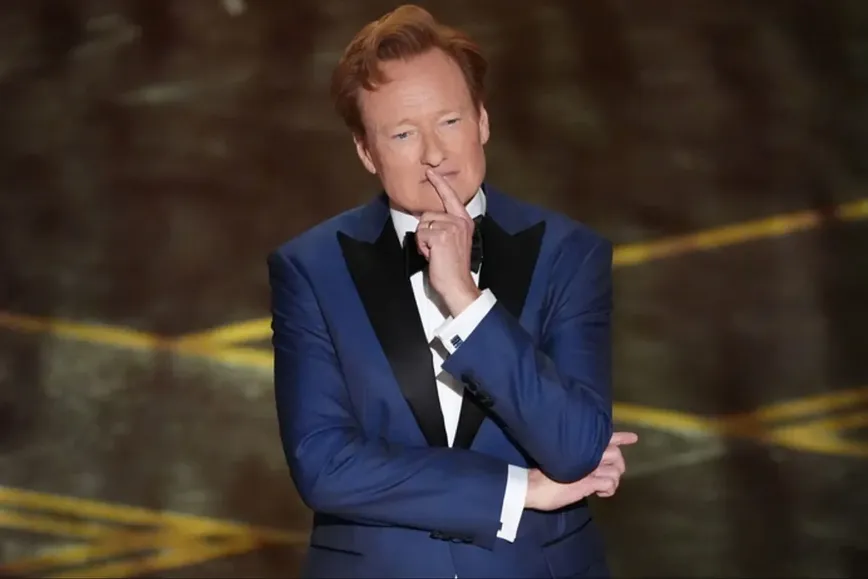
Oscars 2026: A Night of Glitz, Glamour, and Declining Numbers
The 98th Academy Awards lit up the iconic Dolby Theatre in Hollywood on March 15, 2026. Despite the star-studded event and the return of Conan O'Brien as host, the night struggled to attract viewers, continuing a trend that has become all too familiar for major award shows. Airing on ABC and available for streaming on Hulu, the Oscars celebrated the cinematic achievements of 2025, but the broadcast failed to capture a large audience.
According to Nielsen data reported by The Hollywood Reporter, this year's Oscars drew in 17.86 million viewers, marking a 9% decrease from 2025's viewership of 19.69 million. This makes it the lowest ratings since the 2022 ceremony. Particularly concerning was the drop in the key 18-49 demographic, which saw a 14% dip. However, not all was dismal – social media impressions soared by 42%, hitting over 181 million and underscoring the event's online buzz.
“The Oscars remain an enduring brand in entertainment, but adapting to new viewing habits is essential,” commented an industry insider.
Memorable Wins and Unforgettable Moments
The night wasn't short on memorable moments, as the film "One Battle After Another" claimed six Oscars, including Best Picture and Best Director for Paul Thomas Anderson. "Sinners" also made a mark, with Michael B. Jordan taking home Best Actor and Ryan Coogler winning Best Original Screenplay. Jessie Buckley was celebrated for her role in "Hamnet," winning Best Actress, while "KPop Demon Hunters" snagged Best Animated Feature.
Despite the triumphs, the ceremony was marred by audio glitches and technical issues, which frustrated viewers and possibly contributed to the ratings slump. Conan O'Brien's humor was a highlight, but some felt the extended scripted bits overshadowed the winners' speeches. Moreover, the Oscars faced stiff competition from a World Baseball Classic semifinal, drawing away 7.37 million viewers on FS1 and Fox Deportes.
Understanding the Ratings Rollercoaster
Oscars viewership has been a rollercoaster ride over the years, influenced by a medley of factors beyond the films themselves. A charismatic host can make or break the show, as history has shown with the likes of Billy Crystal drawing massive audiences in the '90s. The nominees also play a crucial role – blockbuster titles or culturally significant films tend to attract more viewers than niche or arthouse projects.
However, changes in viewing habits have significantly impacted live TV ratings. The rise of cord-cutting, streaming, and delayed viewing options has diluted the once-captive audience. Prominent cultural moments, like the infamous Moonlight-La La Land mix-up or the Will Smith slap, have helped boost interest in the past, but such viral moments are unpredictable.
To recapture its former glory, the Oscars might need to lean into these viral elements while embracing the digital age more fully. As for now, the Oscars continue to be a staple of Hollywood glamour – even if fewer people are tuning in live.
Categories:

Author: Miles