
Our Latest News


Pat Riley: The Mastermind Behind The 'Three-Peat' Trademark Fortune
A Legendary Tribute in LA
On a sun-kissed Sunday in Los Angeles, the Lakers unveiled a statue capturing Pat Riley in his signature Armani suit, immortalized outside their iconic arena. It's a tribute to a man who defined the golden "Showtime" era with four shimmering championships. But beyond the rings and the perfectly combed hair lies a shrewd business strategy – the trademark of "three-peat."
While statues honor legacy, patents monetize them. Riley's foresight in trademarking "three-peat" underscores a legacy that transcends the court.
How 'Three-peat' Became Gold
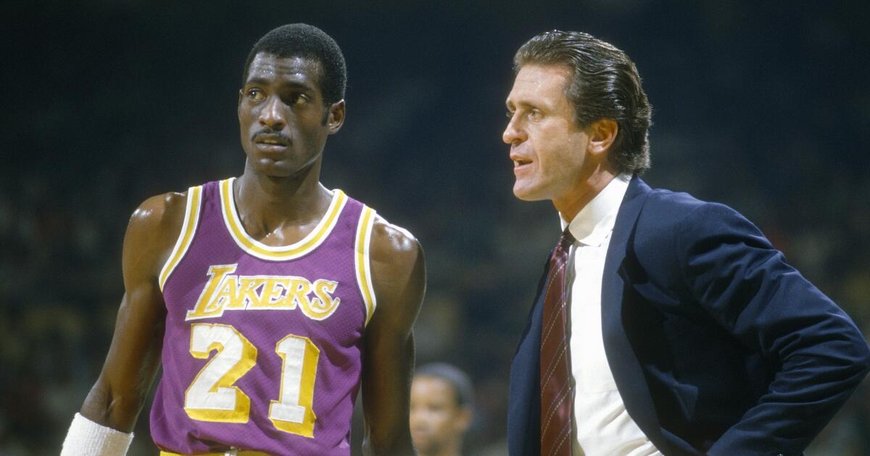
Riley’s basketball career was already glittering. From an NBA championship with the 1972 Lakers to five more as a coach, Riley's name was etched in basketball history. But heading into 1989, it was Byron Scott, Lakers guard, who tossed "three-peat" into the team's lingo, aiming to motivate them to a legendary consecutive championship streak.
Fueled by Magic Johnson's MVP prowess, the Lakers bulldozed their way to the finals, only to be halted by the Detroit Pistons. Yet, Riley saw opportunity in the loss. By November 1988, he applied for the "three-peat" trademark through "Riles & Co." This strategic move ensured that companies using the phrase had to pay royalties.
"It wasn't just about winning games," Riley reportedly remarked, "it was about owning the moment."
A Dynasty's Unexpected Benefactor
The real treasure came from unexpected quarters. The Chicago Bulls' two championship streaks in the 90s meant Riley raked in royalties each time the phrase "three-peat" was printed on jerseys, caps, and more. By 1993, Riley's company pocketed about $300,000, which doubled by 1998.
Even though he wasn’t the coach, Riley benefited financially from every Bulls victory. Later, the Lakers' own successful streak from 2000 to 2002 under Phil Jackson further padded Riley's coffers.
Guarding the Goldmine
Riley didn't just rest on his laurels. He expanded his trademark, securing variations like "3 Peat," and safeguarded his brand through legal avenues. When an attempt was made to trademark "Three-Pete" for USC's coach Pete Carroll, Riley's legal team was quick to block it.
Challenges have arisen, claiming "three-peat" is too generic to hold a trademark. Yet, the U.S. Patent and Trademark Office continues to validate Riley’s claim, ensuring his revenue stream stays robust.
Categories:

Author: Lexie