
Our Latest News


Shakira Shakes Up Rio: 2 Million Fans Gather For Epic Beach Concert
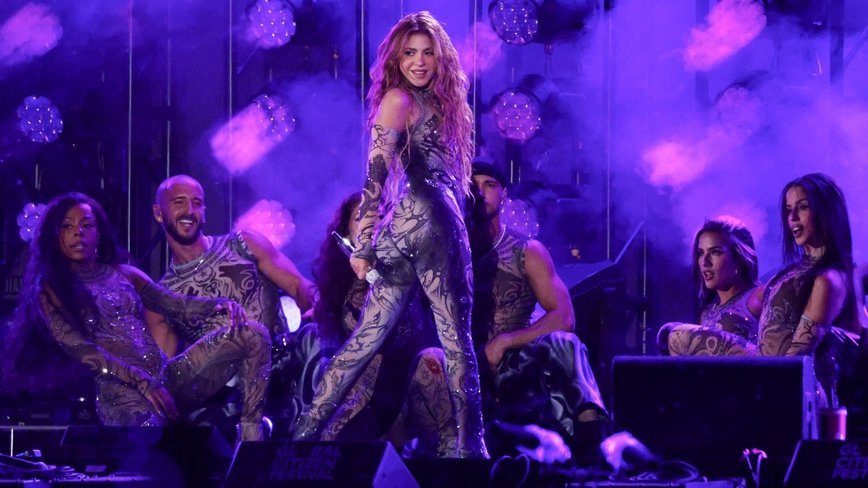
Shakira's Beachside Spectacle
Colombian sensation Shakira turned Copacabana Beach into a sea of excitement Saturday night, pulling in an estimated 2 million fans. The free concert was a dazzling part of her "Las Mujeres Ya No Lloran" world tour, adding her name to the list of megastars who have commanded the iconic Rio de Janeiro shoreline. Shakira followed in the footsteps of pop legends like Madonna and Lady Gaga, who also drew record-breaking crowds with their Copacabana performances.
A Night to Remember
Despite starting over an hour late, Shakira's fans remained exuberant, welcoming her with cheers that echoed along the famous shore. The sky above lit up with drones spelling out "I love you Brazil" in Portuguese, adding a magical touch to the night's ambiance. Shakira, recalling her early days in Brazil, shared an emotional connection with the audience.
“I arrived here when I was 18 years old, dreaming about singing for you,” she told the crowd. “And now look at this. Life is magical.”
Shakira delivered a powerful set of her chart-topping hits, including "Hips Don’t Lie," "La Tortura," and "La Bicicleta." She wrapped up the evening with "BZRP Music Sessions #53/66," a song that resonated deeply, especially following her public breakup with Gerard Piqué.
Empowering Messages and Economic Impact
The concert wasn't just about music. Shakira took a moment to speak about resilience, focusing on the strength of women. "Us women, every time we fall we get up a little wiser," she emphasized, resonating with many in the crowd.
Rio’s mayor, Eduardo Cavaliere, couldn't help but share his excitement on social media, calling Shakira's performance "historic" for the city. Experts like Felipe Maia highlight that Shakira's popularity in Brazil is rooted in a long-standing relationship dating back to her performances in the 1990s.
The event is part of Rio's ongoing effort to boost the local economy between major festivities. Mayor Cavaliere noted that their investment in such events yields significant financial returns. According to city estimates, Shakira's concert alone could bring in about 777 million reais, or approximately $155 million, benefiting local businesses and enhancing the city's vibrant cultural identity.
Categories:

Author: Jasmine