
Our Latest News


Surf'S Up For Democrats: Navigating The Waves Of Ice Reform
Setting the Scene: A West Coast Perspective
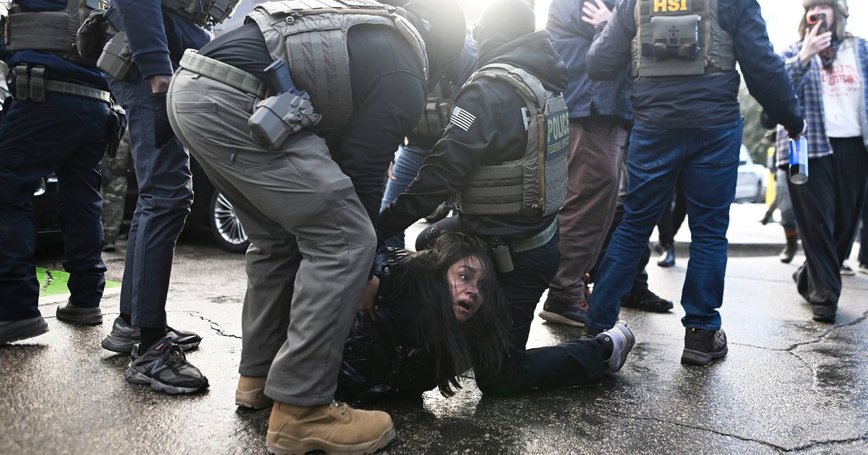
Los Angeles, the land of endless sunshine and Hollywood dreams, is no stranger to drama – and the real-world kind casts a long shadow over our state and beyond. This week, all eyes are on Garrett Graff, a seasoned journalist and historian, who took center stage to discuss the pressing challenges and needed reforms within the Immigration and Customs Enforcement (ICE) and Customs and Border Protection (CBP). With a backdrop of scandals and corruption, Graff's testimony at the Illinois Accountability Commission sheds light on a system in dire need of reform.
A Storied Past: The Origins of ICE and CBP
To truly understand the current state of ICE and CBP, we need to rewind to their origins. In the aftermath of the 9/11 attacks, the Department of Homeland Security (DHS) was established, leading to the creation of ICE and CBP from the remnants of former agencies. However, a hiring surge post-9/11 brought on numerous issues. As Graff highlighted, "The culture of ICE and CBP has meant that the agencies have acted like a fascist-secret-police-in-waiting, troubled agencies simply waiting for an ambitious would-be authoritarian."
Growing Pains: Problems with Expansion
The rapid growth of ICE and CBP has been fraught with issues. A hiring spree filled the ranks with underqualified personnel, leading to widespread corruption and misconduct, echoing the scandal-ridden police expansions in Miami and Los Angeles decades ago. CBP, now the largest law enforcement agency in the U.S., experiences arrest rates higher than many local police departments. This surge has created an environment ripe for misconduct, with agents often operating with impunity.
Pressing Towards Change: What's Next?
As we look ahead, Graff's insights make it clear that fundamental changes are necessary to steer ICE and CBP towards a more effective and humane future. With new funding set to pour into these agencies, the focus shifts to ensuring that this growth doesn't repeat past mistakes. The potential for change is there, but as Graff warns, "This doesn't change unless we demand change and make it change."
California's Call to Action
California, with its diverse communities and vibrant political landscape, stands as a beacon for progressive reform. As the surf rolls in on our golden coasts, so too does the opportunity to reshape immigration enforcement in a way that upholds the values of justice and integrity. It's time for lawmakers and citizens alike to ride this wave of change, ensuring that ICE and CBP operate with accountability and respect for human rights.
Categories:

Author: Miles