
Our Latest News


Taylor Swift'S Legal Battle Against Ai: Will New Trademarks Change The Game?
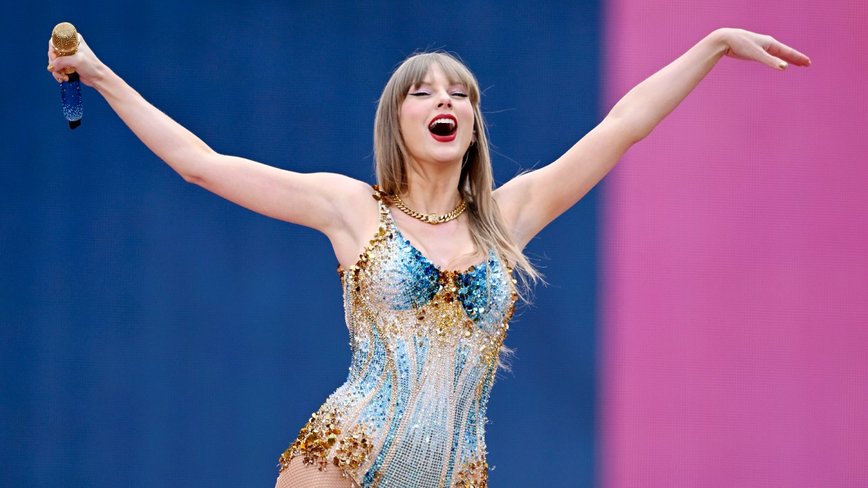
Taylor Swift's Trademark Tango
Taylor Swift is making moves that might just shake up the AI world. She's adding to her impressive portfolio of trademarks, aiming to keep unauthorized AI-generated content in check. Last Friday, she filed new applications to protect some iconic elements of her brand – her voice and her image. Among these are sound bites of her saying "Hey, it's Taylor Swift" and "Hey, it's Taylor." But it's not just about her voice – she's also looking to trademark an image of her rocking a pink guitar while donning a multi-colored bodysuit and silver boots.
Celebrity Moves Against AI
Swift isn't the only celebrity stepping into the legal ring against AI. Earlier this year, Matthew McConaughey gained trademark approval for his classic "Alright, alright, alright" line from Dazed and Confused and a distinctive image of him standing on a porch. Celebrities are increasingly using trademark law as a tool against AI companies and users who mimic their likenesses and voices without permission.
The Legal Landscape
The patchwork of right of publicity laws offers some protection for celebs, but their effectiveness is inconsistent across states. By securing trademarks, Swift and others are banking on the threat of federal lawsuits to deter misuse. However, the practical effectiveness of this approach is still in question. "I don’t believe it will be very effective, except for in rare circumstances," says Matthew Asbell, an intellectual property lawyer at Lippes Mathias. "The voice trademarks are particularly limited to what Taylor is actually saying: ‘Hey, it’s Taylor’ or ‘Hey, it’s Taylor Swift.’"
“So, unless another party uses [her] voice to say the same thing or something very similar, it should be difficult to use these trademarks to enforce against them," Asbell adds.
The Challenge of Protecting a Brand
Swift's trademarks focus heavily on specific elements, making them potentially tricky to enforce. The phrase "Hey, it's Taylor," while recognizable, might not be famous enough to secure full protection. And when it comes to her image, any infringement would need to closely mimic the trademarked photo for enforcement to be viable.
One notable incident underscores the challenge of protecting artistic expression in the AI age. Last year, an AI-generated track blending Swift's voice with Brazilian styles hit Spotify's Top 50 in Brazil before its removal, showing how global and complex the issue of AI misuse can be. Even if Swift is successful with her trademarks, tackling AI creations on an international scale remains an uphill battle.
Categories:

Author: Lexie