
Our Latest News


Taylor Swift'S New Trademarks: A Bold Move Against Ai Threats
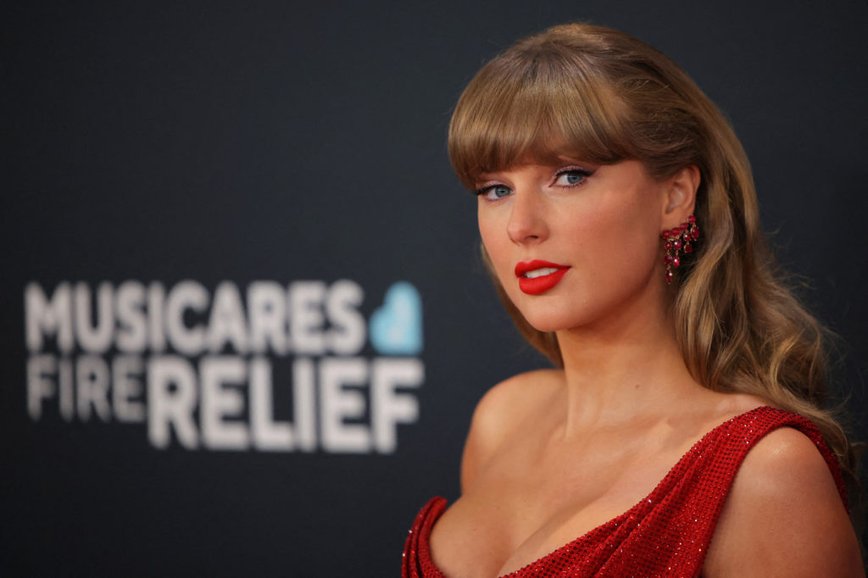
Taylor Swift Strikes Back: New Trademarks to Protect Her Image
Taylor Swift is no stranger to the limelight, but her latest move shows she’s not just about chart-topping hits and sold-out tours. The pop phenomenon has filed three new trademark applications with the U.S. Patent & Trademark Office, focusing on safeguarding her voice and image from potential AI misuse. It's the latest chapter in her ongoing battle to maintain control over her public persona.
Sound and Vision: The Trademarks in Detail
Two of Swift's new trademarks are sound-based, capturing her iconic voice with phrases like "Hey, it's Taylor Swift" and a shortened "Hey, it's Taylor." Meanwhile, the visual trademark paints a picture of Taylor herself—standing on a pink stage, rocking a multicolored iridescent bodysuit with silver boots, and strumming a pink guitar. With purple lights illuminating the background, it’s a scene straight out of a SoCal summer concert.
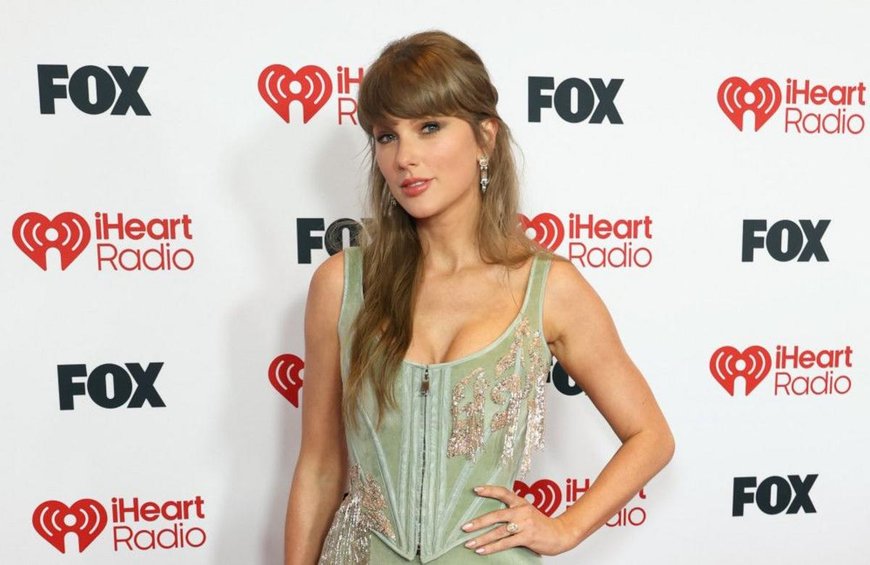
"There’s a growing concern about AI’s ability to replicate celebrity voices and likenesses without permission, and these filings are a proactive measure to counter that," said intellectual property attorney Josh Gerben in a blog post.
The Bigger Picture: Celebrities vs. AI
Swift isn't alone in this tech-driven showdown. Matthew McConaughey, who also stepped into the trademark ring earlier this year, secured protection for his signature phrase "Alright, alright, alright" against unauthorized AI use. As part of his efforts, he partnered with voice-cloning company ElevenLabs to explore AI-driven opportunities while ensuring control over his voice.
Swift’s attorney, Rebecca Liebowitz from Venable, has yet to comment, but the filings, made through Swift’s TAS Rights Management, are already approved and awaiting further review. Given Swift’s previous bouts with AI misuse, including unauthorized deepfakes and fake political endorsements, it’s clear she’s doubling down on protecting her brand.
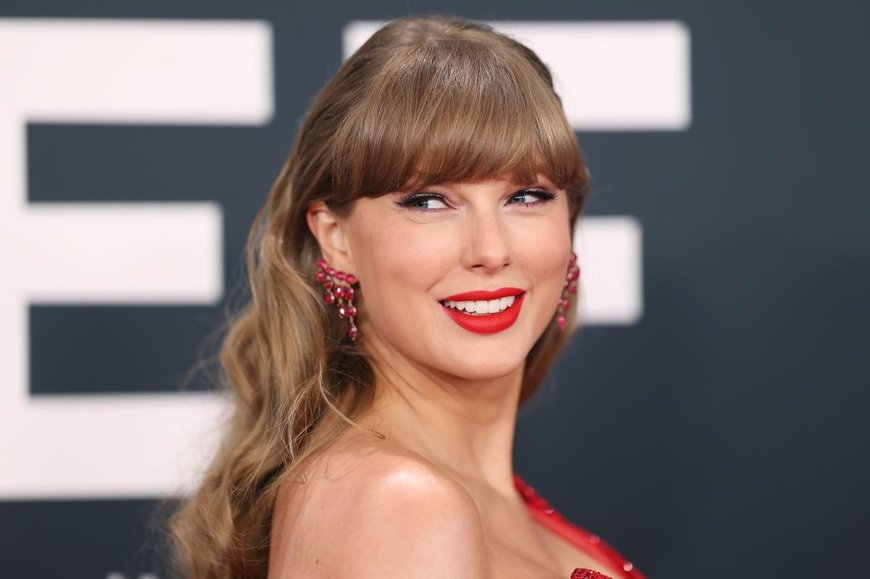
The Future of Celebrity Protection
These trademark applications aren't just about stopping misuse – they're about staying ahead of the curve. As AI technology continues to evolve, celebrities like Swift and McConaughey are paving the way for others to protect themselves in this digital age. "Right of Publicity" laws offer basic protection, but as Gerben points out, trademarks provide an additional layer of security.
Whether you're a Swiftie or just an observer of the Hollywood scene, this move signals a shift in how celebrities must navigate their public images in a world increasingly driven by AI.
Categories:

Author: Lexie