


The Billion-Dollar Hustle: Unveiling La'S Hospice Fraud Epidemic
The Shocking Scale of LA's Hospice Fraud
Los Angeles might be renowned for its Hollywood stardom and sun-kissed beaches, but behind the glamor, a sinister operation is making headlines. Hospice fraud has exploded in the City of Angels, with shady providers scamming a jaw-dropping $3.5 billion from taxpayers. Patients who don't exist, sham companies, and corrupt doctors are all part of this scheme, leaving auditors and prosecutors scrambling.
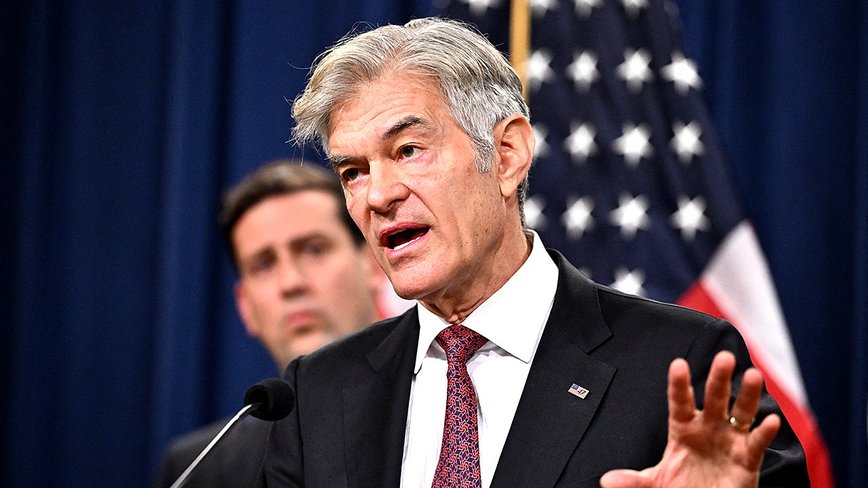
Dr. Mehmet Oz, head of the Centers for Medicare and Medicaid Services, expressed his disbelief:
"Hospice is crazy here. You've got hospice that's grown seven-fold in the last five years. They represent about three and a half billion dollars of fraud, we believe, just in LA County."
California's Attorney General, Rob Bonta, echoed these concerns, dubbing it an epidemic. Fraudulent providers submit bogus claims for services that never happen, signing up seniors who remain blissfully unaware until it's too late. It's a scheme as crafty as a heist movie plot - but without the Hollywood ending.
How the Scam Unfolds
The operation unravels across shopping centers and senior hubs, where recruiters entice seniors with promises of walkers, nutritional drinks, and cash, all for a Medicare number. This 'benny' is then flipped for cash, becoming a golden ticket for providers to milk the system for $260 a day per patient.
Whistleblowers reveal there's no cap on hospice ownership, making it a lucrative game for those inclined to bend the rules. "As a hospice owner, I could sign up everybody in this room for hospice," one insider revealed, highlighting the lax regulations. Meanwhile, Sheila Clark of the California Hospice and Palliative Care Association compared Medicare numbers to the hottest currency on the block.
The San Fernando Valley – Fraud's Epicenter
The San Fernando Valley, particularly Van Nuys, is ground zero. Within a single square mile, state auditors unearthed 210 hospice agencies, some hiding in plain sight among burrito stands and auto parts stores. A particular building, devoid of any hospice signage, shockingly housed 112 state-licensed hospices.
Drill deeper, and the plot thickens with ties to organized crime. Investigations reveal connections to Russian and Armenian gangs, manipulating the system with the help of willing doctors. Known figures from the Mirzoyan-Terdjanian crime ring have previously faced justice, yet the cycle of fraud continues.
California Struggles to Clean the Mess
In a bid to stem the tide, California has placed a freeze on new hospice licenses. But the landscape remains fraught with fraudulent providers, leaving legitimate care providers struggling to reach those in need. "They call the hospice, there's no working phone number," laments Clark. "What do they do? They say, 'I didn't enroll in this hospice.' They need the care but can't get it."
As California grapples with this crisis, the call to action is clear: it's time to heed the voices of those scammed and restore integrity to the hospice system.
Categories:

Author: Jasmine