
Our Latest News


Uk To Spill The Tea On Prince Andrew'S Epstein Connection
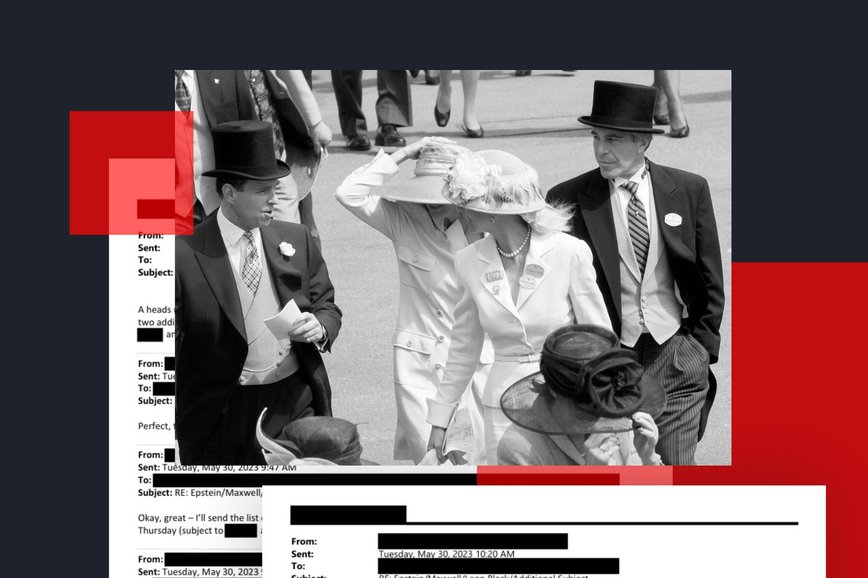
British Government Commits to Transparency
In a dramatic turn of events, the British government has pledged to release long-sought documents concerning ex-prince Andrew and his controversial tenure as a trade envoy. This move comes hot on the heels of the ever-widening Jeffrey Epstein scandal, as British authorities deal with the arrest of seasoned politician Peter Mandelson. The decision to disclose these files was announced on Tuesday, February 24, and underscores the mounting pressure on Prime Minister Keir Starmer's Labour government to address the royal and political turbulence unleashed by Epstein's shadow.
The Epstein files released last month by the United States Department of Justice have caused seismic ripples in the UK's corridors of power. With the monarchy and political figures under intense scrutiny, these revelations have fueled ongoing investigations into both Andrew and Mandelson. Minister Chris Bryant addressed parliament, emphasizing the government's commitment to transparency and stating that releasing the documents is "the least we owe the victims."
"Andrew was a rude, arrogant, and entitled man," Bryant remarked, as he pushed for the files' disclosure.
'Humble Address' Paves the Way
The push to release these documents gained momentum thanks to the Liberal Democrats' deployment of a rare parliamentary tool known as a "humble address." This mechanism, last wielded during Tony Blair's tenure as Prime Minister, compels the disclosure of documents without necessitating a formal vote. As the measure passed with government backing, Bryant cautioned about the timeline, noting the age and volume of the documents, along with ongoing police investigations, may delay their release.
Minister Bryant reassured that police guidance would be sought to prevent jeopardizing the investigations. This careful navigation of legal complexities signals a delicate balance between transparency and judicial prudence.
Mandelson's Controversial Role
Simultaneously, the government is preparing to divulge files related to Peter Mandelson's 2024 ambassadorship to the US, with early March slated for the first release. Mandelson, once dubbed the "Prince of Darkness" for his media wizardry, played a crucial role in Andrew’s appointment. As Mandelson faces misconduct probes linked to his ties with Epstein, his downfall has been accompanied by political resignations and renewed scrutiny of Starmer's leadership.
The decision to sack Mandelson as envoy and Starmer's ensuing apology to Epstein's victims highlight the profound consequences of the scandal. Revelations about Mandelson's financial exchanges with Epstein during his time as UK business secretary have only added fuel to the fire, further igniting public interest and debate.
Categories:

Author: Jasmine