

Our Latest News


Why We Mourn Celebrities: The Emotional Connection
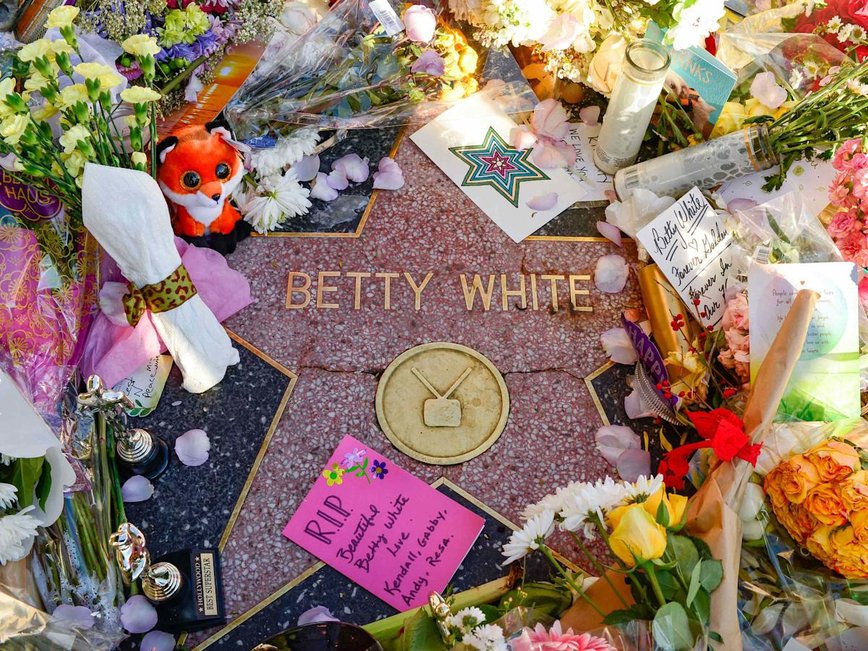
When Stars Fade: A Personal Connection to Celebrity Deaths
On New Year’s Eve 2021, my phone buzzed incessantly with messages of condolence, each expressing sorrow as if I had lost a close family member. But it wasn’t a relative who had passed – it was the beloved actress Betty White. Similar sentiments flooded in when other icons from "The Golden Girls," like Rue McClanahan, Estelle Getty, and Bea Arthur, left us in previous years. These women were part of my life tapestry, seeing me through tough times and bringing laughter to my mother in her final days.
The Psychology Behind Our Grief
Turns out, I'm not alone in feeling such profound loss. Psychologists refer to this as "parasocial relationships" – the one-sided emotional bonds we form with celebrities. "Because we follow celebrities' lives, celebrating their successes and learning intimate details about them, they start to feel familiar and relatable," says Melissa Flint, PsyD, a professor specializing in death and grief. "So when a celebrity dies, it makes sense that people feel a genuine emotional response."
"Often, people are not only grieving the celebrity – they are grieving what that person represented in their own life story." – Wendy G. Lichtenthal, PhD
Why Celebrity Loss Feels Personal
It's common to grieve a celebrity if their work resonates with personal milestones. Doriel Jacov, a psychotherapist, explains, "Musicians whose songs helped someone through a divorce or actors who symbolized freedom can represent emotional memories crucial to identity formation." Such connections amplify our sense of loss, especially when tied to specific life experiences.
Healing the Heart: Coping with Celebrity Loss
Grieving a celebrity is a valid emotional response. "Grief is a natural reaction when we lose anything that matters to us," states Lichtenthal. It's important to acknowledge these feelings, whether they manifest as shock, sadness, or even a sense of unfairness, and allow them to run their course.
Finding comfort can come through collective memorials, tributes, or online communities. For those whose grief feels overwhelming, talking to trusted friends or professionals can provide the support needed to navigate these emotions. "What matters most is finding people who validate your feelings and the significance of the loss," Lichtenthal advises.
Categories:

Author: Jasmine

Jasmine
Trending topics
Popular

