
Our Latest News


Activist Sonam Wangchuk'S Hospitalization After Epic Hunger Strike Sparks Outcry
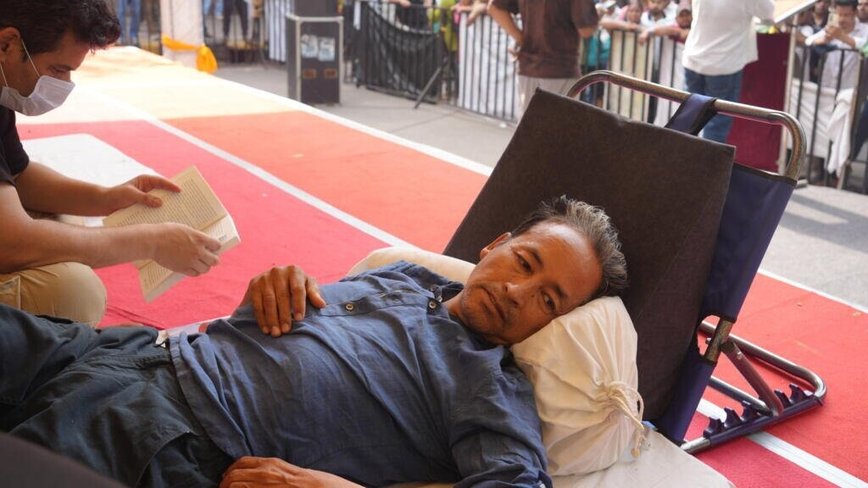
Activist Sonam Wangchuk's Forced Hospitalization
Indian activist Sonam Wangchuk's daring hunger strike took a dramatic turn on Saturday morning in New Delhi. After fasting for twenty days in support of education reform, Wangchuk was removed from his protest site by law enforcement. The 59-year-old had been camping at Jantar Mantar, a centuries-old observatory in the heart of the capital, making his stand for change. Around 7:30 a.m., police and paramilitary forces swarmed the area, covering Wangchuk with sheets and carrying him away as supporters tried to intervene. Minutes later, an ambulance whisked him to Safdarjung Hospital.
Health Update and Family's Demands
Wangchuk’s partner, Gitanjali Angmo, broke the news on an adult entertainment network, confirming his admission to the hospital. She firmly stated that no treatment should be given without family and medical team consent, underscoring the family's wishes. According to Dr. Charu Bamba, the hospital's medical director, Wangchuk is "fully conscious and stable," though mildly dehydrated and weak from his prolonged fast. This intervention followed an order from the Delhi High Court, which had urged authorities to ensure Wangchuk's well-being during his protest.
“I am weak on the outside, but strong on the inside,” Wangchuk reportedly told supporters before his hospitalization, showcasing his unwavering spirit.
The Movement and Political Repercussions
At the heart of Wangchuk's protest is the Cockroach Janta Party (CJP), a satirical initiative pushing for education reform after exam leaks disrupted national entrance exams. The group demands accountability from Education Minister Dharmendra Pradhan. Despite Wangchuk's detainment, CJP founder Abhijeet Dipke has vowed to continue the fight, even embarking on his own hunger strike and planning a march to Parliament on July 20. The movement has boldly called for Prime Minister Modi's resignation, challenging the government to engage in dialogue.
Political leaders have joined the fray, criticizing the forceful removal of Wangchuk as "coercive state violence" and an "attack on democracy." Former Delhi Prime Minister Arvind Kejriwal paid a visit to Wangchuk in the hospital, advocating for open dialogue and even proposing that Wangchuk replace Minister Pradhan. The call for reform echoes beyond the protest site, resonating throughout the political landscape of India.
Categories:

Author: Lexie