
Our Latest News


California'S Charter School Shake-Up: New Reforms In The Wake Of A3 Scandal
Revamping Charter School Oversight in California
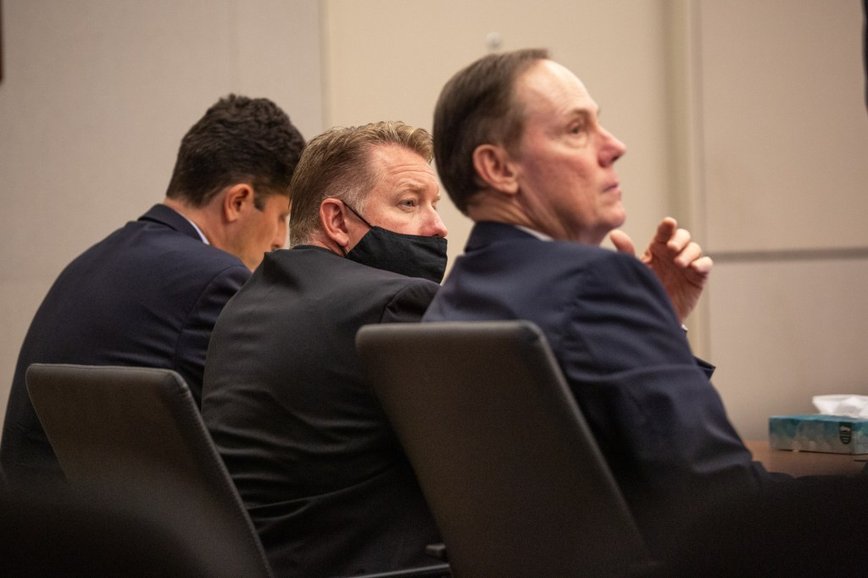
It’s been seven years since the A3 charter fraud scandal rattled California’s education system, and the waves of change are finally rolling in with a fresh set of state law reforms. Thanks to the education trailer bill AB 126, signed by Gov. Gavin Newsom, the Golden State is dialing up its oversight game for charter schools. For those not in the loop, this move comes after the A3 operators were found guilty of pocketing a whopping $400 million through crafty loopholes in charter oversight.
So, what's new under the SoCal sun? The bill demands more detailed audits and requires school districts that authorize charters to step up their game. They’ll now have to keep a closer eye on financial disclosures and student attendance. This is a big deal, considering previous attempts to get these changes through faced fierce pushback from charter school enthusiasts. "These changes represent important progress in protecting taxpayer dollars and strengthening oversight of public education funds," said District Attorney Summer Stephan in a statement.
Newsom's Unconventional Legislative Tactics
In a move reminiscent of a Hollywood script twist, Governor Newsom bypassed traditional legislative processes by weaving parts of the once-vetoed SB 414 into this year's budget through a trailer bill. Typically meant for budget expenditure details, trailer bills have now become Newsom’s stealthy vehicle to push policy reforms. His office refrained from giving detailed comments about the bill, maintaining that his signature "speaks for itself."
AB 126 brings a host of new responsibilities to charter authorizers, like attending at least one board meeting in person each year and scrutinizing financial transactions meticulously. These changes could feel like a heavy lift, particularly for smaller districts juggling several large, non-classroom-based charters.
Vendor Practices and Beyond
The bill doesn’t stop at oversight. It also lays down the law on vendor contracting, tackling what the Union-Tribune had exposed: questionable use of public funds by charter school families. No more zoo passes or Disneyland tickets on the taxpayer's dime. Schools must ensure vendors are licensed and insured, and contractor employees need background checks.
While some see this as a clampdown on family flexibility, longtime homeschool advocate Windi Eklund warns it might limit educational opportunities. “We remain concerned that these provisions will reduce educational opportunities, limit family flexibility,” Eklund expressed in a letter encouraging families to voice their discontent with lawmakers.
Looking to the Future
Despite these groundbreaking changes, many reform ideas remain on the sidelines. Concepts like adjusting oversight fees and limiting student enrollment in non-traditional charters didn’t make the cut. Mike Fine, CEO of Fiscal Crisis Management and Assistance Team, sees AB 126 as just the start, leaving room for future legislation.
With AB 126, California takes a definitive step toward restoring trust in its charter school system. The reforms aim not only to tighten the screws on financial mismanagement but also to ensure that educational integrity and fiscal responsibility go hand in hand.
Categories:

Author: Miles