
Our Latest News


California'S Top-Two Primary: A System Under Scrutiny
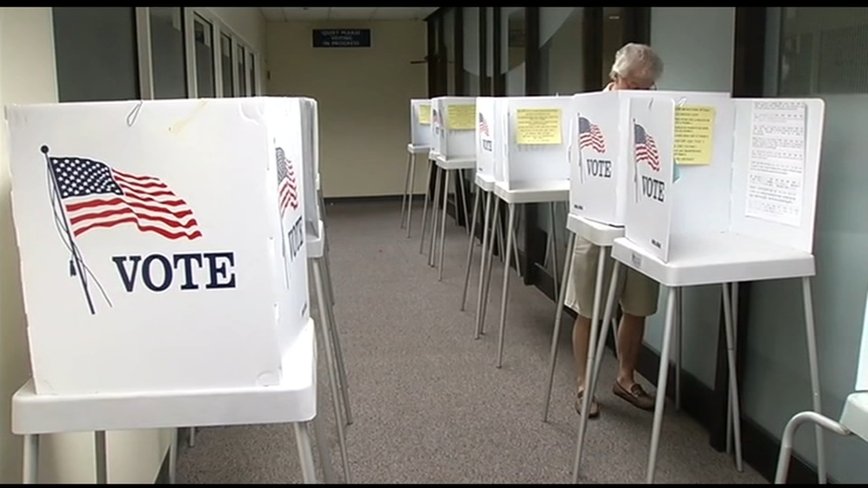
California's Top-Two Primary Challenge
California's political landscape is buzzing with debate as the 2026 gubernatorial primary race unfolds, placing the state's unique top-two primary system under the spotlight. With the June 2 primary just around the corner, voters in the Golden State are questioning whether this system – where the top two vote-getters advance to the November general election, regardless of their party affiliation – serves its purpose effectively.
Political Analyst Monica Madden from ABC7 Eyewitness News has been delving into the merits and shortcomings of this system, which was adopted in 2012 with the hopes of fostering less partisanship and more competitive races. However, this year’s packed contest for governor is sparking fresh controversy and debate over its efficacy.
“I think Democrats and Republicans should be thinking about changing this top-two primary system so that we don't have the potential for millions of Californians to be facing a general election without a candidate from their party on the ballot," said Paul Mitchell, vice president of Political Data.
Party Politics and Surprises
Unlike most states where parties choose their nominees, California offers the same ballot to all voters, independent of party lines, thanks to a voter-approved initiative in 2010. Yet, the system has stirred the political pot this year, particularly with the fear of having two Republican candidates advance in the gubernatorial race.
This fear rocked the Democratic camp, leading to calls for lower-polling candidates to bow out. The eventual withdrawal of Eric Swalwell amid scandal left Democrats rallying around Xavier Becerra, maintaining the party's presence in the race.
Debate and Diverging Views
The top-two primary system has reignited discussions among political leaders and candidates alike. Republican gubernatorial candidate Steve Hilton contends that the system fails to offer voters genuine choice, stating, "We need to end this top-two system and move back to something that will guarantee voters have a real choice that's what democracy is all about."
However, not everyone shares this sentiment. Political Analyst Dan Schnur argues the system achieves its intended effect by highlighting the diversity within the dominant party, noting, "The California State Legislature, while dominated by Democrats, shows a spectrum within the party itself, with one faction being more traditionally progressive and another more inclined to collaborate with the business sector."
As the debate continues to simmer, whether California voters will push for a change in the next primary election cycle remains an open question. One thing is certain – the conversation around the top-two system is far from over.
Categories:

Author: Jasmine