
Our Latest News


Harper Beckham'S Lavish Handbag Sparks Global Luxury Debate
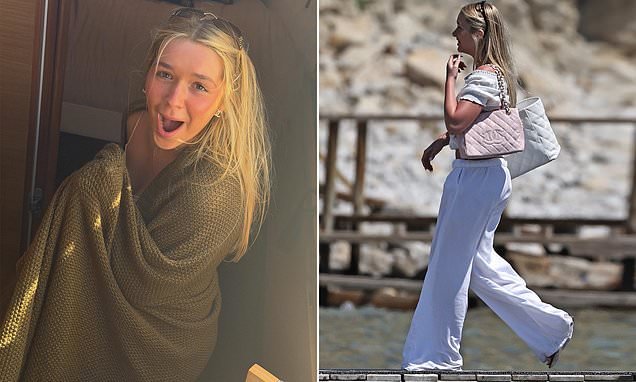
The Chanel Bag That Made Waves
Fourteen-year-old Harper Beckham recently became the talk of the town – and beyond – as she casually strolled through the sunny streets of Ibiza, flaunting not one but two Chanel handbags worth a jaw-dropping £12,000. This high-fashion spectacle comes as no surprise to the seasoned inhabitants of celebrity-studded SoCal, yet it triggered a worldwide discussion about luxury marketing's evolving target audience.
For those unaware, this latest glamour shot matters because it highlights a bold shift in how legacy fashion houses like Chanel are wooing Generation Alpha. With tough economic times taking a toll on the middle class, the ultra-wealthy are flexing their buying power even more. Everyday folks wrestle with inflation, while teenagers like Harper are accessorizing with million-shilling bags, underscoring a growing economic chasm.
"The luxury market is increasingly catering to the young elite, establishing brand loyalty long before these individuals reach financial independence," commented an industry insider.
The New Wave of Teen Luxury
Luxury brands are tapping into a youthful clientele, with analysts noting a strategic move to capture the hearts (and future wallets) of wealthy teens. This aligns with the growing trend of cultivating brand loyalty before adulthood. It's a tricky balancing act, though, for these traditional European fashion powerhouses. They must maintain their exclusive allure while keeping up with a demographic that thrives on digital trends and instant gratification.
While everyday citizens grapple with soaring living costs, the elite seem unfazed, continuing to splurge on high-end goods. It's a tale of two economies, with luxury brands basking in record profits amid widespread economic anxiety.
A Global Trend with Local Ripples
This trend isn't just confined to European celebrity circles. From the glitzy avenues of Los Angeles to Asia's emerging wealth hubs, adolescents are using designer fashion as a social status tool. Social media algorithms amplify this behavior, rewarding conspicuous consumption and making it a global phenomenon.
Even the secondary market for luxury items is thriving, turning these bags into investment assets akin to fine art. A Chanel piece now doubles as a stylish accessory and a highly liquid asset.
East African Perspectives on Luxury
Across the globe in East Africa, the luxury wave is making its mark. Nairobi's elite are joining this global trend, importing lavish European goods as status symbols. However, this shift has sparked debates about the potential impact on local industries. Experts warn that the fascination with imported luxury brands might divert crucial investment from homegrown designers and manufacturers.
With celebrities influencing global consumption patterns, the focus remains on the societal impact of this ultra-luxury obsession. Child psychologists caution against the mental strain of constant exposure to such displays of wealth, fearing it may lead to unrealistic financial expectations among the young who can't keep up.
As we navigate this new landscape of wealth and privilege, the lines between aspiration and corporate responsibility are increasingly blurred, posing profound questions for both consumers and brands alike.
Categories:

Author: Miles