

Our Latest News


Havana Syndrome: Us Shells Out Millions In Compensation While Mysteries Linger
A Mysterious Malady Hits Washington
Washington's federal coffers have opened to the tune of nearly three million dollars, doling out compensation to government agents plagued by Havana Syndrome – a baffling neurological condition that's left both victims and experts scratching their heads for close to a decade. Since the first whispers of this ailment emerged around 2016, it's been a topic of intrigue and debate, echoing like the infamous sounds experienced by affected personnel.
The U.S. Department of Defense announced these payouts under the Havana Act, a 2021 law crafted to ensure those impacted by this illness are adequately supported. "Supporting affected personnel remains our unwavering priority," the Department declared, underscoring a commitment that spans from Capitol Hill to the farthest corners of the globe where these symptoms have been reported.
“My brain is broken. We suffered this while serving our country. And we deserve to be taken care of,” said former CIA analyst Erika Stith in 2022, putting a human face on a governmental enigma.
The Global Puzzle of Havana Syndrome
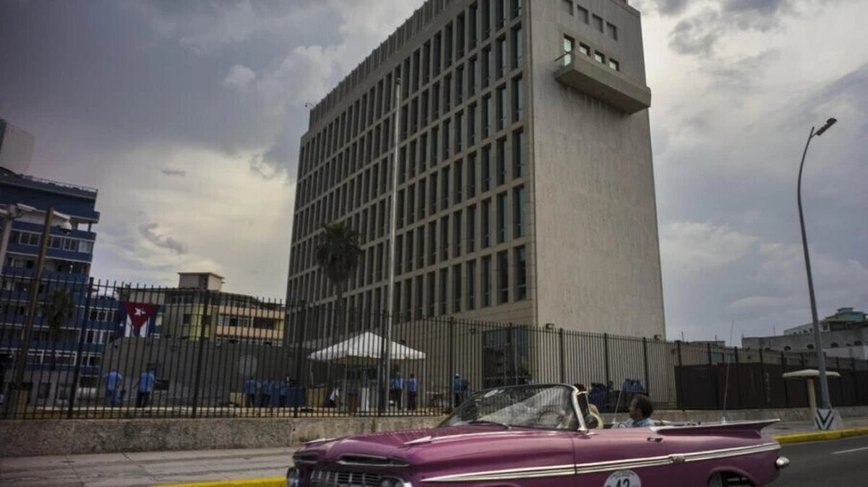
The saga of Havana Syndrome began against the tropical backdrop of Cuba's capital, where American diplomats first reported eerie, nocturnal disturbances. From piercing sounds to a sinister orchestra of buzzing, clicking, and metallic grinding, these symptoms painted a surreal picture. Diplomats described sensations akin to intense pressure on the skull, dizziness, and nausea, symptoms that have since echoed as far afield as Beijing and Washington.
The situation escalated in 2017 when the U.S. government pulled back over half its embassy staff from Havana, casting a shadow over diplomatic relations. In a similar vein, Canada followed suit in 2019, slashing its diplomatic presence after its staff reported eerily similar experiences.
Searching for Answers in the Unknown
The burning question of what – or who – is behind Havana Syndrome remains as elusive as ever. While theories have circulated regarding the use of a microwave or ultrasonic weapon by an unnamed foreign power, last year's collective assessment of U.S. intelligence agencies suggested it's "highly unlikely" a novel device was employed against American personnel. Yet, a minority within the intelligence community refuses to entirely dismiss this hypothesis.
The National Intelligence Council, backing up the experiences of affected agents, concluded that their symptoms were both real and often traumatic. Even as the search for answers continues, the assurances of support and compensation offer a measure of relief to those who have suffered under this enigmatic affliction.
Categories:

Author: Miles

Miles
Trending topics
Popular

