
Our Latest News


The Italian Beatniks Who Shook Franco'S Spain With A Musical Rebellion
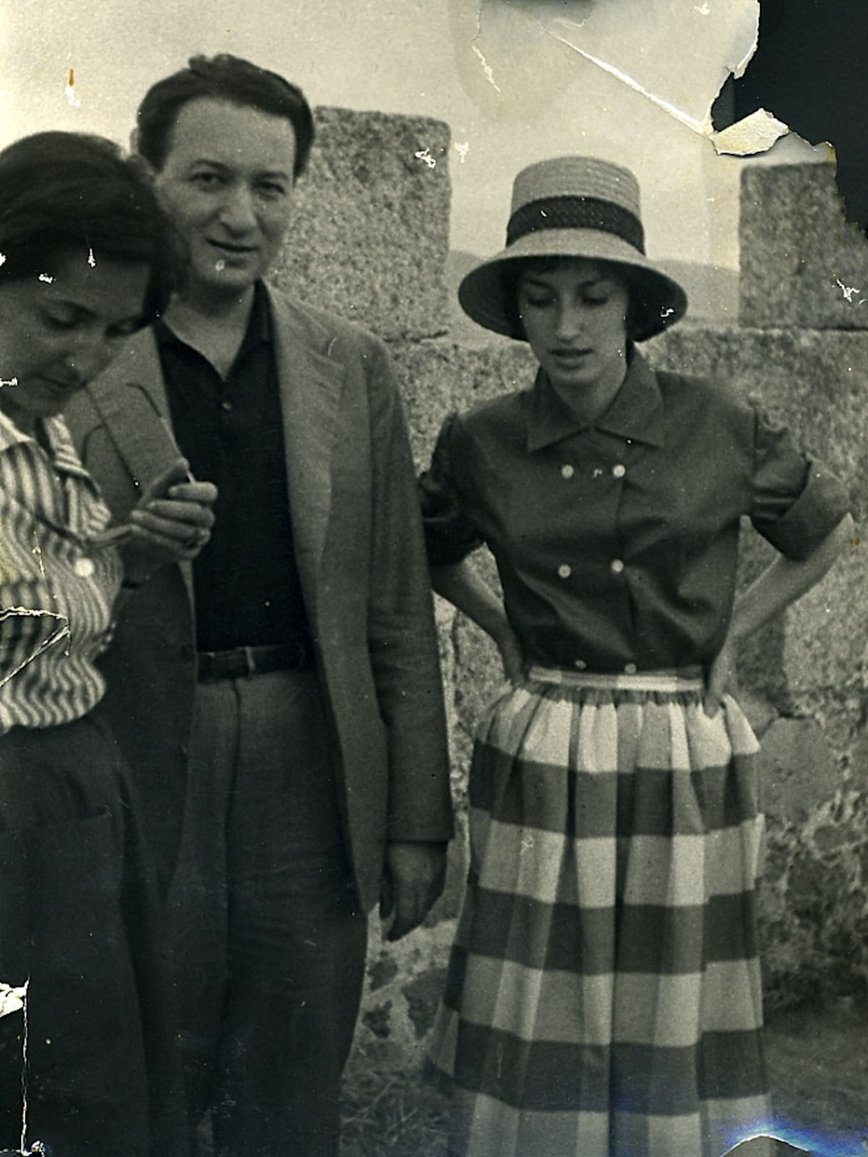
The Rebel Road Trip
Seven young Italians – five men and two women, fueled by an adventurous spirit – launched an unexpected diplomatic uproar in 1961 with their undercover mission through Francoist Spain. Acting as tourists, they clandestinely recorded anti-regime songs, later releasing them in two albums and a book. The book, "Canti della nuova resistenza spagnola: 1939-1961," published by Turin's esteemed Einaudi, where literary icon Italo Calvino was a luminary, particularly sparked the scandal.
Manuel Fraga, Spain's then Minister of Information, aggressively attacked the book in Spanish media, labeling it a "libel." The regime, alarmed by its anticlerical songs, even rallied the Vatican's support, leading to the book's seizure in Italy within months. This clash not only echoed across Europe, drawing international attention, but also exposed fractures in Franco's carefully crafted image.
“What bothered the Spanish government was the confirmation of the existence of a resistance movement,” reflects 97-year-old Emilio Jona, the last surviving member of the Cantacronache group.
A Journey of Bold Encounters
The Cantacronache group, seasoned in Italy's protest music scene, ventured into Spain with a mission to capture the underground resistance's voice. Before setting foot in Spain, they gathered intel from Spanish exiles in France and Switzerland, establishing crucial connections. Armed with a list of covert contacts meticulously written on matchsticks for easy disposal, they navigated Spain's artistic and intellectual circles, gathering songs filled with defiance and aspiration.
Their path led through cities like Barcelona, Madrid, and Santander, collecting poignant narratives from everyday workers, intellectuals, and musicians. The resulting albums, accompanied by a book detailing their journey, shone a light on an otherwise muted resistance and were lauded as "gems" by historian Alberto Carrillo.
Media Uproar and Legacy
As the Franco regime unleashed a media assault, condemning the book and records, the controversy only amplified their impact. The Spanish government's attempts to quash the narrative backfired, fueling international curiosity and translating the work into multiple languages. Despite threats and bomb attacks in Italy, support for Cantacronache swelled, with European cultural figures and publishers rallying in their defense.
In a symbolic gesture of resistance, Einaudi, with backing from literary giants like Italo Calvino, denounced the censorship, sparking a larger conversation on freedom of expression. The debacle transcended borders, solidifying the Cantacronache's legacy as icons of antifascism.
Today, Emilio Jona looks back with pride, recognizing the group's contributions as a significant strike against dictatorship. "Our modest and limited work assumed a dignity far exceeding its merits," he asserts, celebrating a humble yet powerful triumph in the ongoing struggle for artistic freedom and truth.
Categories:

Author: Lexie