
Our Latest News


'Fear Strikes Again': Exam Scandal Ignites Student Protests Across India
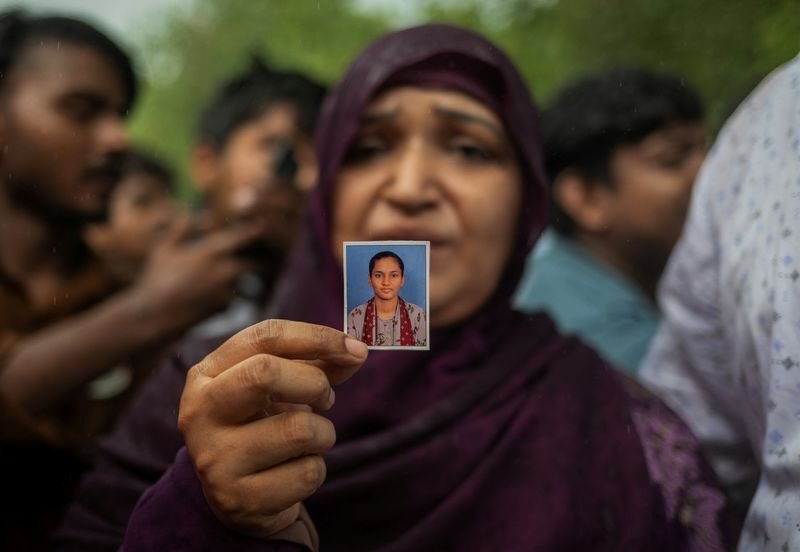
Exam Scandal Sparks Outrage
In a staggering turn of events, 19-year-old Sheikh Sana tragically ended her life just a day before retaking India’s intense medical entrance exam. Facing the daunting task of re-preparing for one of the country's most grueling tests became too much for Sana, who left behind a simple note, "I am sorry." Her untimely death has become a rallying cry for thousands of students across the nation, who are now vigorously protesting against Prime Minister Narendra Modi’s administration.
The scandal erupted after it was revealed that the National Eligibility-cum-Entrance Test (NEET) papers had been leaked. This forced the government to cancel the initial results and call for a retake, plunging millions of hopeful candidates back into the grind. The scale of this breach has left many young aspirants frustrated, leading to a wave of demonstrations demanding accountability.
“The fear killed her. The fear of re-NEET,” lamented Sheikh Jaffar Hussain, Sana’s father, voicing the sentiments of many families caught in this debacle.
Government Faces Backlash
The protests have intensified, with Education Minister Dharmendra Pradhan stepping down amid mounting pressure. Students converging on New Delhi's Jantar Mantar are adamant in their calls for the government to own up to its mishandling of the crisis. Despite the resignation, anger continues to spill over, demanding sweeping reforms in the education system.
Indian Prime Minister Modi, addressing the nation, shared his dismay over the scandal, promising swift justice through fast-track courts. Yet, opposition parties like the Congress Party, led by Rahul Gandhi, criticize the government for its repeated failures in preventing such leaks, highlighting over 150 incidents in the past decade.
System's Pressure Takes a Toll
The fierce competition in India’s educational landscape is an unyielding reality. For many families, securing a medical seat symbolizes financial stability and social prestige, but only a scant 6% of candidates manage to succeed. This has led families like Rajesh Kumar’s, who invested all his savings for his son's aspirations, to despair when the exams were annulled.
Alarming stories like that of 17-year-old Kahaan Patel in Gujarat echo the grueling pressure students face. Patel, who dreamt of studying medicine abroad, succumbed to the anxiety of retaking the exam. His father, Prashant Patel, heartbreakingly admits, "He wasn’t able to fight more, so he ended it."
As the protests spread, they reflect a deeper malaise in the education system, with activists like Nandita Narain pointing to the influential role of costly private coaching. The question remains whether this uproar will propel change or fade into the background of India’s resilient yet troubled educational framework.
Categories:

Author: Jasmine